
Oakley Past Resident Source Map
The Oakley previous residents trail has two layers. Property sources follow title, assessment, tax, and project history. Household sources follow names, relationships, newspapers, and dated appearances. The table keeps those tasks together without claiming that a deed holder was every occupant.
| Source | Local Years | Where Held | What It Shows |
|---|---|---|---|
| Recorded deeds | County records begin in 1850; web-image cutoff not verified | Contra Costa Clerk-Recorder | Grantor, grantee, transaction, vesting, legal description |
| Assessment rolls | Current plus archived rolls by request | Assessor and archives | Assessed owner, mailing address, value, and parcel link |
| City permits | Oakley municipal era, especially after 1999 | City Hall and OCAP | Project, applicant, contractor, status, inspections |
| Directories and telephone books | Exact Oakley run not located; 1949 to 1950 regional title verified | County Library, LOC, historical society | Listed names and addresses when the volume includes them |
| Federal census | 1850 to 1950 public release | NARA and library databases | Household, relationships, age, and occupation |
| Newspapers and obituaries | Local runs vary; Times obituary database since June 1995 | County Library and archives | Deaths, survivors, moves, events, and address clues |
| Sanborn maps | No stand-alone Oakley sheet verified | LOC and California collections | Footprint, use, material, and street labels if mapped |
Use the source that matches the era. A current APN opens the deed and permit trail. A dated address opens directories, census, and newspapers. A death or estate clue may lead to probate, a cemetery index, or a family file.
Begin Oakley Previous Residents with APN
Start an Oakley previous residents search with the current parcel, not a historical name. ParcelQuest Lite accepts an APN or street address. CCMAP can locate the polygon, neighboring parcels, aerial context, contours, and map PDF. Online owner names are suppressed, so the lawful Assessor channel is the next step. Record the situs, APN, legal description, subdivision context, and assessed value before reaching for older records.
That parcel key holds the trail steady when streets change. The 1898 ten-block plat, four historic hamlet names, and the older Main Street highway alignment can make a modern street line look unfamiliar. A legal description or subdivision map can connect the present parcel to a prior deed even when a name or street label has shifted.
Use the CCMAP parcel viewer and the Assessor property tools for the map and parcel step. They are starting points, not a full Oakley residents directory.
Walk Oakley Deed Records Backward
A recorded deed can identify a transfer without identifying every person who lived at the address. After the lawful assessment-roll step, find the current owner’s acquisition deed in the Clerk-Recorder index. Save the recording number, date, execution date, legal description, and vesting names. Search the seller as a prior grantee, then repeat backward. This grantor-grantee chain is the backbone of an Oakley previous residents search.
- Confirm the current APN and lawful owner channel through the Contra Costa Assessor.
- Find the acquisition deed and copy its instrument number, recorded date, legal description, and vesting.
- Search the seller or transferor as a prior grantee using the same legal description.
- Repeat the chain and flag deeds of trust, liens, releases, reconveyances, and maps as different record types.
- When the web index stops, take the last known book, page, instrument, and legal description to the Clerk-Recorder counter.
- Grantor
- The person or entity transferring an interest in the recorded instrument.
- Grantee
- The person or entity receiving the interest named in the instrument.
- Chain of title
- The linked sequence of recorded transfers for one parcel or legal description.
- Legal description
- The formal land description that can remain useful when a street address changes.
The Contra Costa Clerk-Recorder service hub is the official entry point. Its public page did not verify a general online cutoff, so do not invent one.
When Oakley Deed Records End
A web result that stops is not proof that the deed does not exist. Contra Costa’s index and service site may lead to copies, certifications, or a counter request. The Clerk-Recorder is at 555 Escobar Street in Martinez and lists 925-335-7910. Bring the last known instrument, book and page, APN, legal description, and the approximate date range.
Public Works supplies a second fallback for the land itself. Laserfiche Weblink holds recorded subdivision maps, records of survey, corner records, and annotated assessor parcel books. Start with the APN in CCMAP, read red survey references on the parcel-book page, and search the recorded map by tract or subdivision number. An easement shown on one map is not proof that no later easement exists.
Copies and certified copies are different requests. Ask the Clerk-Recorder which form, fee, and certification fit the purpose. If a record is withheld or redacted, keep the stated reason with the research notes instead of filling the gap with a commercial claim.
Oakley Previous Residents and Occupants
Title follows a recorded interest. Household history follows people at a place. A deed holder may be an absent owner, trustee, estate, or organization. A city permit may name an applicant or contractor. A census or directory may capture a non-owner household. An obituary may connect a former address to survivors. Previous residents research needs those layers side by side.
The current assessment roll can provide an owner and mailing address through the lawful channel, but the online parcel card suppresses owner names. The Treasurer-Tax Collector can show tax bills, payment or delinquency status, and APN-linked history. Neither a tax record nor a mailing line proves who occupied the address on a particular day.
House-history rule. Treat each name as a dated clue until a second source confirms the relationship to the address. Separate title, mailing, project, and household evidence.
The historical household layer is why a prior address should be paired with the Oakley directory book collections, not replaced by a deed-only conclusion.
Pair Oakley Resident Records with Census
Federal census schedules from 1850 through 1950 provide household structure at released dates. A city or telephone directory may fill a year between census counts, while a deed can show an ownership transfer that happened before or after the household moved. Pair the three sources by date, street, legal description, and relationship. A mismatch is a question to resolve, not a reason to force the names together.
- Choose the deed or directory year closest to the address event and write down the exact place label.
- Search the nearest census under Oakley, Live Oak, Iron House, El Rancho, Antioch, and East Contra Costa terms.
- Compare ages, relationships, occupation notes, neighbors, and road clues with the title and address.
- Use the next directory, newspaper, obituary, probate, cemetery index, or permit to explain a move or disappearance.
Search the historical collection under both modern and older place names. The four hamlets make a narrow Oakley query less reliable for early decades.
Oakley Permit Records Date Changes
Permits help place a building or alteration on the timeline. Oakley Civic Access Portal covers building and encroachment permits, planning applications, grading and improvement plans, and business or vendor licenses. Its “My Work” area can show application, review, issuance, inspection, fee, document, report, and license details after sign-in. A permit can date a roof, water heater, electrical service, addition, or other project when the record is available.
For older work, the city’s incorporation date matters. Earlier building, road, zoning, and assessment records may sit with Contra Costa County, predecessor districts, or archives. A targeted CPRA request should name the exact address or APN, date span, department, and record type. The city’s enterprise-system catalog can help identify NextRequest or the system likely to hold a responsive record.
The Oakley Civic Access Portal is the current permit route. A current portal can date the building trail, while a request or county fallback can reach older or migrated records.
Oakley Previous Residents: Obituaries and Probate
Obituaries and probate can explain why a name leaves an address chain. The library’s Contra Costa Times obituary database covers June 1995 to the present for cardholders, while local newspaper holdings and historical collections reach into earlier eras. Probate petitions, notices, inventories, creditor claims, and decrees can connect a decedent, former address, and heir relationship.
The Contra Costa County Historical Society’s indexed collections include probate by decedent, vital and cemetery indexes, obituary and biography files, town subject files, and more than 9,300 indexed historic cases naming more than 61,000 people. Its naturalization search uses surname, Search Method, optional year, and a 1, 2, or 5 year search window. Current and legacy copy prices conflict, so verify before ordering.
The Contra Costa County Historical Society collections are represented by the captured archive view below. The collections include tax-assessor books, historic court files, probate, vital and cemetery indexes, maps, newspapers, and naturalization volumes.
The archive can bridge a deed or directory gap, but each title, case, or index entry still needs its own date and source note.
The Historical Society naturalization search is represented below. It is a focused archival index, not a current residents list.
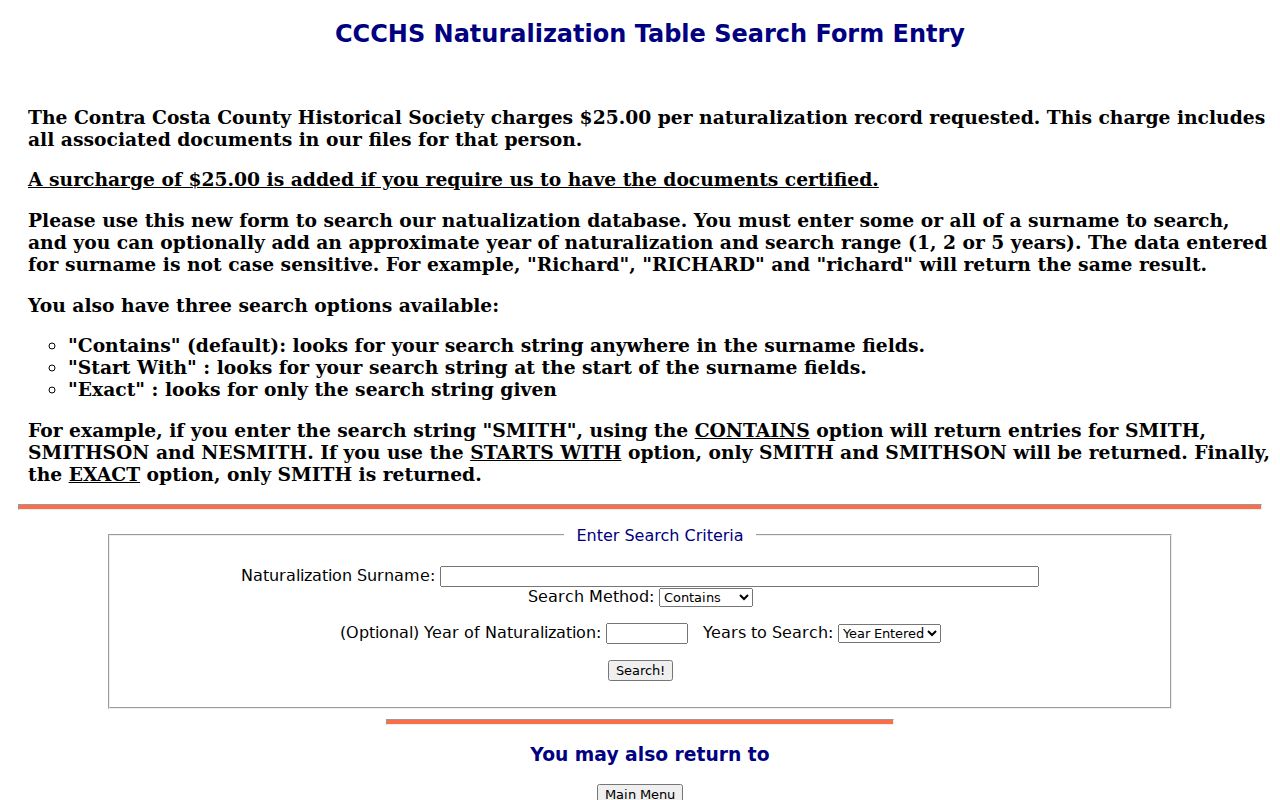
Contains, Starts With, and Exact searches can help with spelling, but a result still needs the archival record or a second source.
For court copies, use the Contra Costa Court Records order route rather than treating a public register as the full probate file.
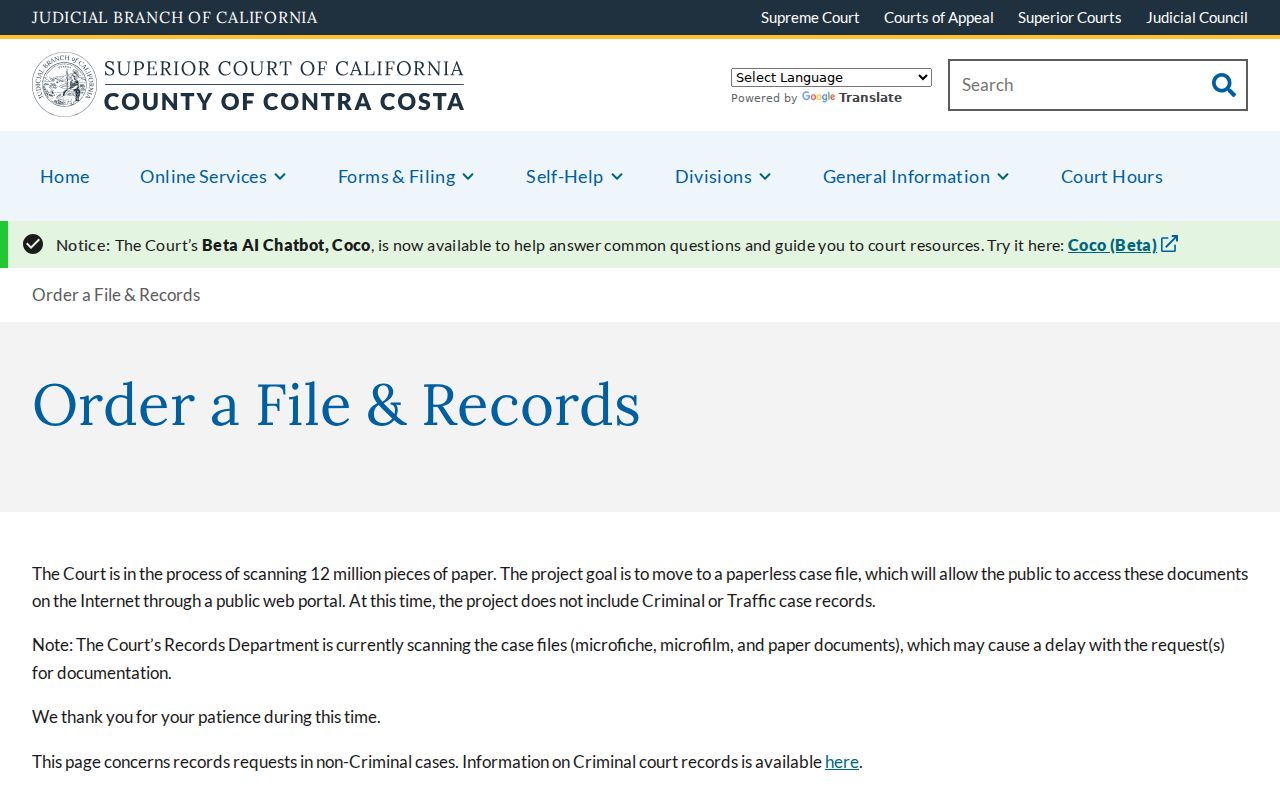
The captured order route shows the required fallback when the index supplies a lead but the document itself is not online.
Oakley Records After the 1924 Fire
Oakley’s strategic-plan history records a 1924 fire that burned most downtown businesses. It can explain a gap in private business papers, local newspaper runs, or shop records. It is not evidence that a county courthouse fire destroyed deeds or court files. The county custodian must be asked about the actual record series.
The fire belongs in a previous residents search because private papers can supply the household clue that a deed does not. Search East County family files, photographs, newspaper material, school and church sources, and local-history subject files, then label each item as an archive lead or a confirmed record.
Oakley’s railroad and packing-shed history offers another trail. Families may appear in census schedules, agricultural papers, community events, or social notices rather than in a city directory. The source choice should follow the time and use of the address.
The Oakley NextRequest portal is a current city fallback for existing records not exposed through an index.
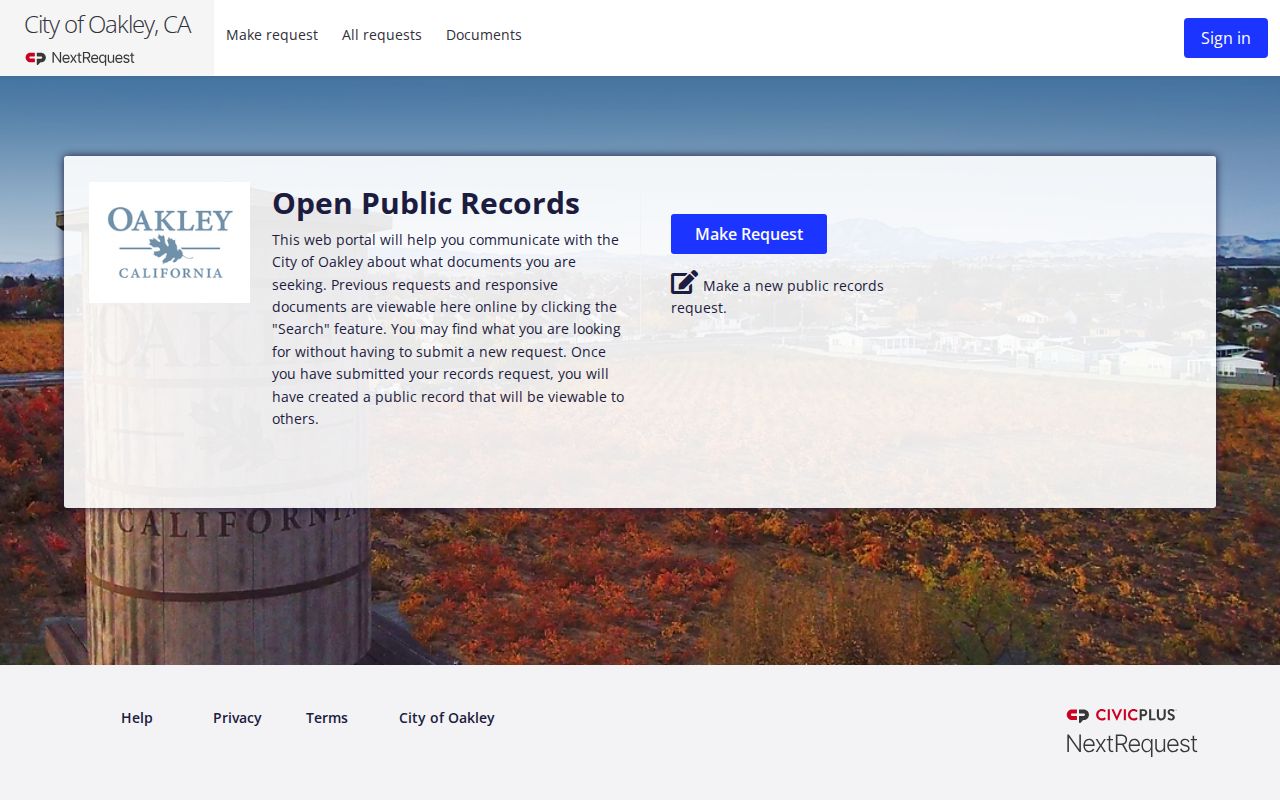
A precise address and date request gives the city a better chance to locate a responsive record than a general question about a former household.
Oakley Address History and Sanborn Gaps
No stand-alone Oakley Sanborn sheet was verified in the Library of Congress catalog research. Search nearby Antioch, Brentwood, and regional fire-insurance collections only as possible context, then inspect the map title and coverage before attaching it to an Oakley address. A Sanborn map can show footprint, use, material, and street labels when mapped, but it is not a household source.
The East Contra Costa Historical Society’s Kathy Leighton Resource Center is the local archival fallback. It holds thousands of documents, photographs, books, maps, newspapers, pioneer and family files, early East County papers, Liberty High yearbooks, and binders on schools, churches, clubs, agriculture, police, and doctors. It opens Monday and Wednesday 1 to 4 by requested appointment and lists 925-634-8651. Confirm access before visiting.
The East Contra Costa resource center is represented by the captured local archive view.
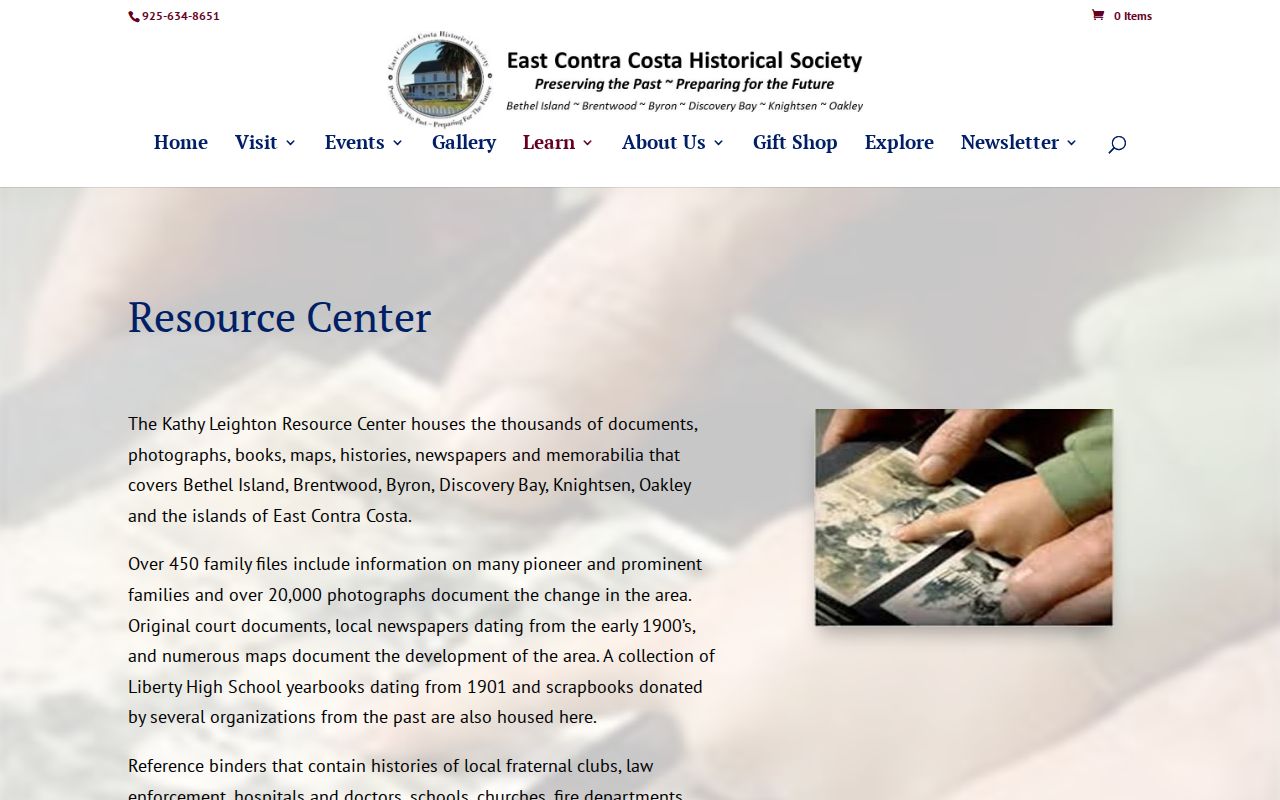
Use the center to bridge a missing printed volume or private paper, but preserve the distinction between an archival lead and a verified address event.
Lawful use. Previous residents research is appropriate for house history, family history, estate work, and personal curiosity. Do not use an old address or living person’s name to stalk, harass, threaten, or harm anyone.
Note: When a trail ends, document the last verified source and its gap instead of inventing a year, owner, or occupant.