
Oakley Resident Lookup Coverage
The right Oakley resident lookup source depends on the fact being tested. An assessment roll can support an ownership question. A deed index can show a dated transaction. A court register can show a party role. A vital record can show an event or relationship only when the applicant qualifies. Business, license, custody, and archive searches have their own field sets and limits.
| Record | What It Confirms | Where | Access |
|---|---|---|---|
| Assessment roll | Assessed owner, APN, tax-mail address, and parcel facts | Contra Costa Assessor | Owner channel at counter or by request; names absent online |
| Recorded-document index | Deed parties, vesting, recording date, and legal description | Clerk-Recorder | Index, copy, certified-copy, and counter routes |
| Superior Court register | Case number, party role, type, dates, and events | Contra Costa Superior Court | Public index; documents and many cases offline |
| Vital record or index | Birth, death, marriage, divorce, and relationships | County Clerk-Recorder or CDPH | Eligibility, informational-copy, and fee rules |
| Voter status or file | Registration context for the voter or approved purpose | California Secretary of State | Self-check or restricted application |
| Business or license filing | Entity, agent, credential, status, and dated address | California SOS or DCA | Free public search with stated fields |
| Custody or registry tool | Current custody or public registry result | County Sheriff, CDCR, or Megan’s Law | Online search with warnings and exclusions |
Each row is evidence of a defined event or status. No row, by itself, confirms that a named person currently lives in Oakley.
Build an Oakley Two-Record Match
A reliable Oakley resident lookup uses two independent records with a shared anchor. The anchor may be a middle name, date, case role, APN, related person, entity number, or address chronology. A name and city are not enough. Search the name in the form used by the source, then compare the source identifier before deciding that two results belong to one person.
- Write down the known clue, its date, and the likely custodian. Separate a current question from a historical one.
- Test spelling, middle initials, maiden or married names, reversed surname order, and trust or entity vesting.
- Use the result identifier, such as an APN, instrument number, case number, entity number, or license number.
- Confirm with a second record type, such as a deed plus probate, a court register plus a parcel, or an obituary plus a vital index.
- Mark the result as historical, inferred, or confirmed by the custodian. Do not turn an inference into a present-address claim.
If the records disagree, ask the holding office to verify the identifier. A custodian can explain its own record; it should not be asked to disclose a private person by phone.
Note: Same-name errors grow when a search begins with a conclusion instead of a date, role, parcel, or source identifier.
Oakley Court Index Versus Court File
Contra Costa Superior Court’s Civil Public Portal covers civil, family, small-claims, and probate index data. Smart Search accepts a party name or case number, with an optional filing-date range and category branch. Traffic uses a separate portal for case, citation, or party searches. The court search instructions, traffic portal, and traffic-access release show the separate routes. Criminal records are not on the public civil site. A court index is a finding aid, not the complete file.
| Search Type | Smart Search or a case and calendar path in the portal. |
|---|---|
| Search Criteria | Party name in Last, First form or a full case number. |
| Case category | Civil, Family Law, Small Claims, or Probate. |
| Date Filed | From and To fields that help separate same-name parties. |
| Traffic criteria | Case number, citation number, or Party Name, with a separate defendant portal. |
A public register may show case number, title, category, filing date, party names and roles, judicial officer, department, hearing dates, and event entries. Documents, orders, minutes, criminal data, confidential matters, and self-represented addresses remain offline. Court Records at 1111 Ward Street in Martinez is the in-person fallback, with Pittsburg service at the Arnason Justice Center for East County users.
- Docket or register
- A dated list of case events, not the full pleadings or evidence.
- Index versus image
- An index names a record; an image is the underlying scanned or filed document.
- Certified copy
- A custodian-issued copy with the certification needed for a defined legal use.
- Case role
- The party’s position in the matter, which helps separate same-name results.
Oakley Resident Lookup Name Variants
Names change shape across Oakley records. A directory may use initials. A deed may use a vesting name. A court register may show a role or a reversed surname order. A newspaper may use a nickname, maiden name, or family relationship. Test the variants, but keep the original spelling beside every result so a later review can show how the match was made.
Property ownership is not residency. The Assessor’s online tools suppress owner names, and the lawful counter channel may return a mailing address that is different from the situs. A deed proves a recorded transaction. A probate file may connect a former address to heirs. A city permit can name an applicant or contractor. These records become useful together only when dates and identifiers line up.
When the goal is everyone along a street rather than one person, use the Oakley street directory route. It keeps parcel geometry and address records at the center of the search.
Oakley Vital Records and Copy Rules
Contra Costa County and California CDPH-Vital Records both matter for an Oakley resident lookup. County and state forms ask for the registrant or event, date and place, applicant contact details, relationship, purpose, number of copies, and payment. Authorized certified copies require a qualifying relationship or legal authority and a sworn statement. Informational copies are marked as not valid to establish identity.
For 2026, state certificate fees are $31 for birth, $26 for death, $19 for marriage, and $18 for a divorce certificate. A no-record certificate still uses the search fee. CDPH reports a July 2026 average of 4 to 6 weeks for certified copies and 7 to 9 weeks for amendments, with no expedite. The state fee schedule should be checked with the live processing page before mailing a form because county offices can differ.
The California vital-records guidance explains the authorized and informational distinction. Confidential marriages, adoption files, and original birth records have separate rules. Historical indexes in library databases can point to an event, but the eligible custodian supplies the certified copy.
Oakley Resident Records Through Probate
Probate can connect a former Oakley address to heirs, a decedent, an executor, a petition, or a final decree. Begin with the Superior Court case index, then request the permissible petition, notices, inventory, claim, or decree from Court Records. Probate is a court case type, not a Clerk-Recorder function. A property name alone should not be treated as proof that an heir lived at the parcel.
Obituaries and cemetery indexes can supply the relationship clue that a court register lacks. The County Library offers obituary searching and local-history databases. The Contra Costa County Historical Society holds probate by decedent, vital and cemetery indexes, obituary and biography files, and indexed historical cases. Compare the date, family relationship, and address with the court case before linking a person to a household.
Adoption and original birth records are confidential. California’s official CDSS mutual-consent process is the lawful route for eligible relatives. The program uses separate forms and independent consent; it is not a public search service. A confidential intermediary or court petition has its own qualifying rules.
Oakley Business and License Records
A dated business filing or professional-license result can help distinguish two people with the same name. California bizfile searches by entity name or file number and can return entity number, formation date, status, jurisdiction, street or mailing address, agent details, and filing images. The State says its online business search does not establish ownership, phone, email, subsidiary lists, or online LLP and GP coverage. Use the filing itself, not a guess about the people behind it.
California DCA’s umbrella search can use license type or number, business name, first and last name, city, county, and ZIP, with board-specific filters. Results often show licensee, number and type, status, issue or expiration dates, public address, and discipline links where available. Open the issuing board record. A city business license, fictitious business name file, SOS filing, and DCA result may describe related facts without being interchangeable.
These official sources are useful for civic, family, consumer-safety, and business-history questions. The State Controller’s unclaimed-property search can add another narrow state record, but it also has its own matching and claim rules. These sources add a dated public connection to a name, not a complete resident profile.
Oakley Resident Lookup State Searches
Some state tools answer a narrow question about a person. The California Department of Corrections and Rehabilitation locator searches an incarcerated person by last name, first name, or CDCR number. Contra Costa Sheriff custody search asks for a full first and last name or a booking ID. The Secretary of State’s voter-file application describes a restricted route rather than a public resident list. All three sources warn that information can change and that absence from a result should be checked with the relevant jurisdiction.
The Contra Costa custody locator is shown below. It is a current-custody tool with its own disclaimer, not an Oakley resident lookup database.
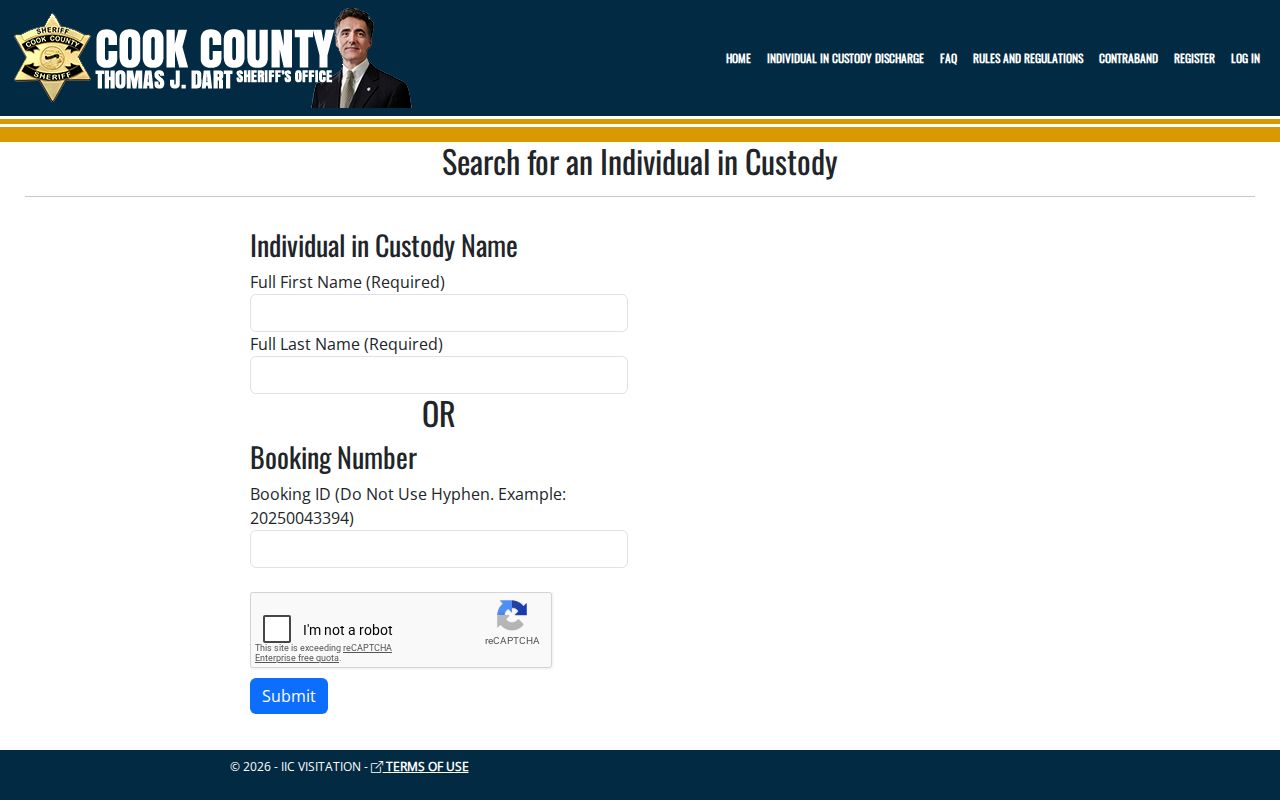
The captured form shows why a required full name or booking ID is different from a broad name search. Custody line staff can confirm current information by the published channel.
California Megan’s Law supplies a public name and map search for registrants subject to statutory exclusions and use warnings. It should never be treated as proof of a present residence or guilt. The official Megan’s Law search is captured here for source context.
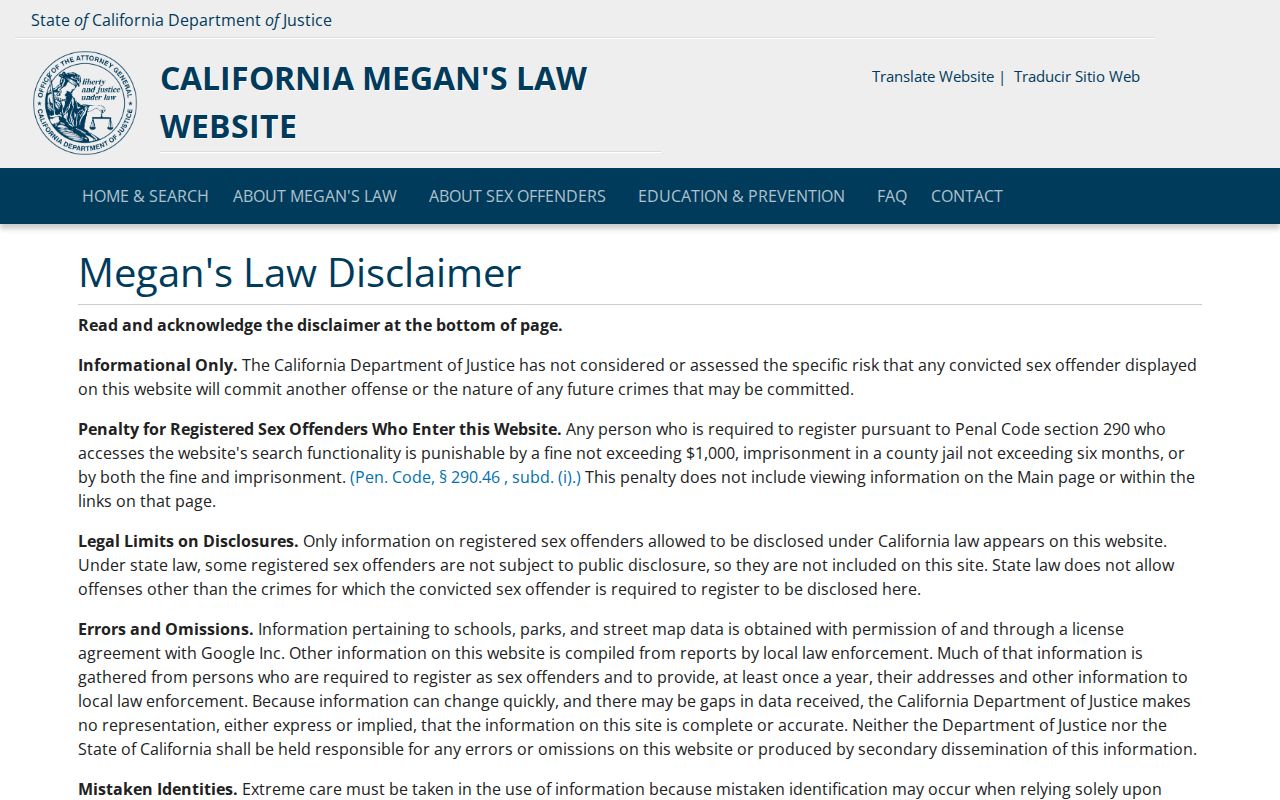
Read the registry warning and use only the lawful public information it provides. A name match still needs identity checks.
Oakley Resident Lookup Federal Dockets
Contra Costa County falls within the Northern District of California. The district court site identifies the federal custodian, while PACER searches federal cases by party or case number and can return docket number, parties, counsel, filing and termination dates, judge, nature of suit, and docket entries or documents. An account is required. The research records a $0.10-per-page charge, a $3 cap per document, and quarterly charges waived at $30 or less.
The PACER case-search route is shown below. It can add a dated federal record to an Oakley resident lookup, but a same-name docket is never identity proof. Compare counsel, dates, case role, business, property, or probate links before using it as corroboration.
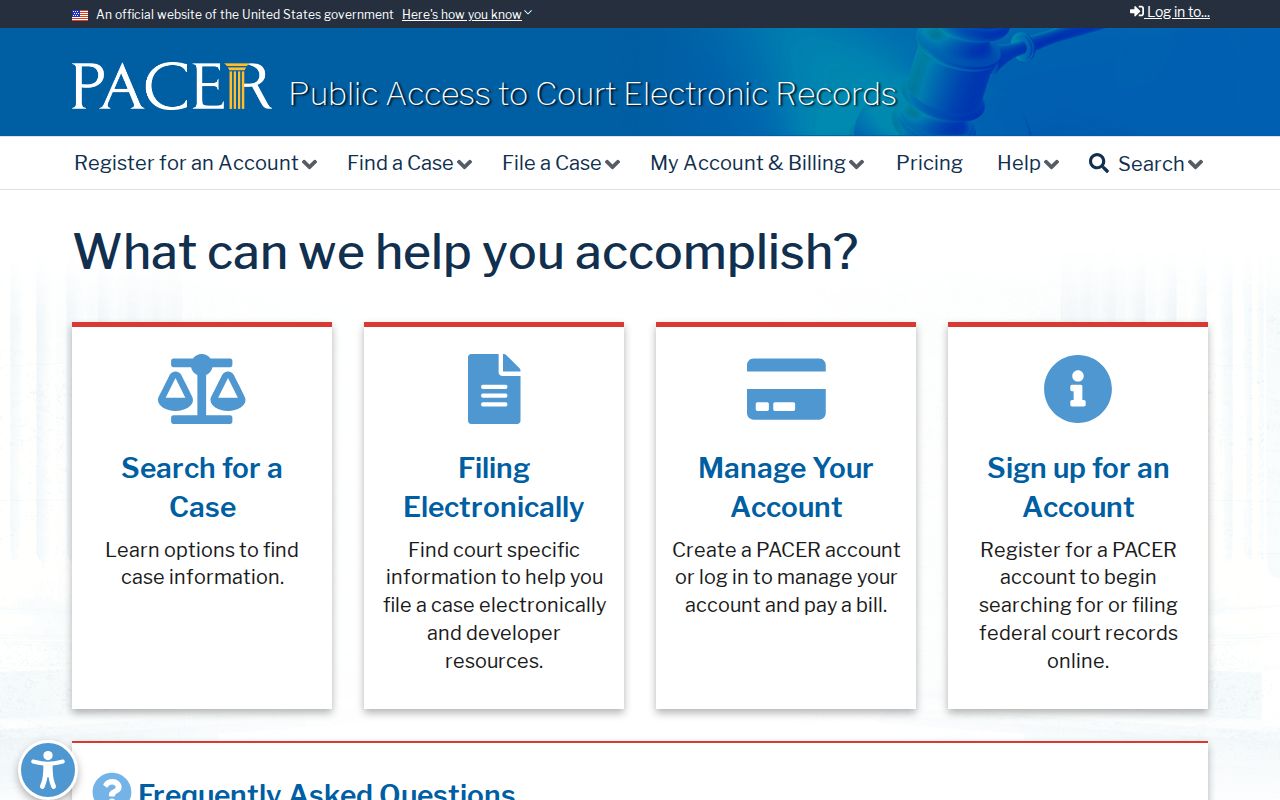
The image represents a federal access path, not a claim that every Oakley person appears in federal court records. Court Records remains the local route for county files.
Legal Limits on an Oakley Resident Lookup
California protects voter affidavits, Safe at Home participants, confidential marriages, adoption records, original birth records, driver information, and certain official addresses. The California Public Records Act opens nonexempt records, but it does not erase a statute-based limit or require an agency to create a new answer. A public index may also omit a sealed, juvenile, confidential, or restricted matter.
Lawful use. An Oakley resident lookup is for family history, reconnecting, estate work, civic research, and personal record checking. Do not use it to stalk, harass, threaten, intimidate, or harm any person.
Safe at Home supplies substitute mailing and confidential forwarding for eligible participants, but it does not retroactively delete every public source. If a result looks wrong, contact the custodian that created it and ask about correction or access. Stop when the custodian identifies a protected record, and preserve the distinction between a lead, an index, and an official copy.
Note: The strongest identity match is narrow, dated, and supported by two records that agree on more than a name.