
Oakley’s City Directory Shelf
Oakley does not have a verified, uninterrupted stand-alone city directory run. The useful shelf is a mix of regional titles, telephone books, library databases, census releases, newspaper indexes, and historical-society files. The concrete 1949 to 1950 Contra Costa County telephone directory at the Library of Congress explicitly includes Oakley. It is a telephone-company volume, not proof of a complete Polk series. The table keeps confirmed anchors separate from collection gaps.
| Collection | Years | Where Held | Access |
|---|---|---|---|
| Contra Costa County telephone directory | March 1949 to September 1950 | Library of Congress | Digitized volume; Oakley named in coverage |
| Federal population census | 1850 to 1950 public release | NARA and library databases | Public under the 72-year rule |
| Contra Costa Times obituary search | June 1995 to present database coverage | Contra Costa County Library | Card or eCard access |
| Local History Connection | Mixed collection dates | County Library contributors | Free web database |
| East County family and town files | Historic holdings; verify each item | East Contra Costa Historical Society | Appointment and research-center access |
| Sanborn map search | No stand-alone Oakley sheet verified | LOC and California libraries | Search nearby titles without assuming coverage |
The county library catalog is the discovery layer for regional titles. Ask for Oakley, Antioch, Pittsburg, Brentwood, East Contra Costa, and telephone-company service areas together. Record the title page, place coverage, publisher, and abbreviation page before calling a volume a regional directory volume.
Why Oakley Needs Regional Directories
Oakley incorporated on July 1, 1999. Before that date, county offices and predecessor districts created many of the records now used for local history. The railroad, packing sheds, farm areas, and four earlier hamlets produced names in newspapers, census schedules, tax books, church records, and telephone listings rather than in one municipal directory. A narrow title search can therefore miss a household that is plainly present in a regional source.
Search the library catalog by subject and place. The research specifically recommends “Oakley (Calif.) - Directories,” paired with Antioch, Pittsburg, and East Contra Costa terms. The catalog request should ask staff to check the physical title page and contents, not just a keyword hit. No verified publisher-by-publisher Oakley run was exposed, so Polk years must not be supplied from memory.
The Oakley staff directory is a current city contact source, not a historical household directory. Its captured view helps show the difference between a modern department list and a printed household volume.
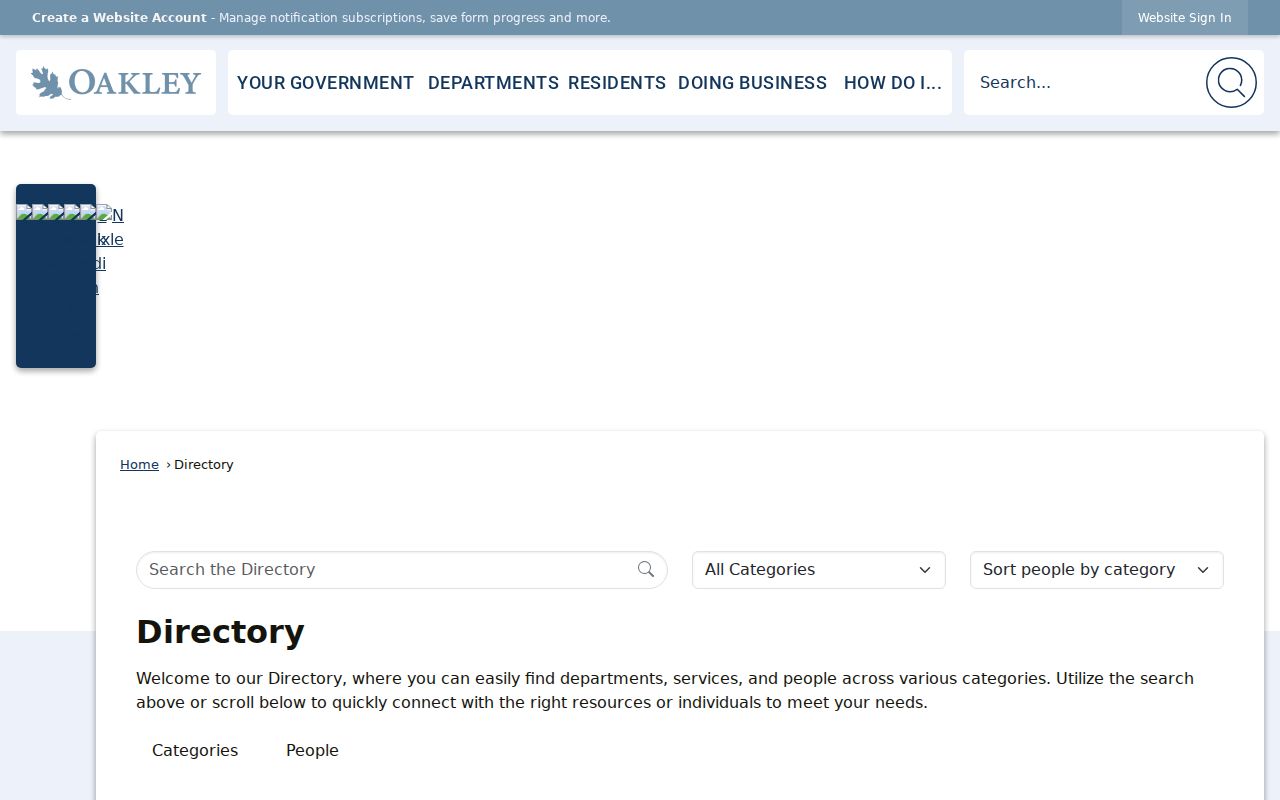
Use the city list for current public contacts and the library or archive shelf for past people and places. The two sources serve different research questions.
Oakley City Directory Place Names
Live Oak, Oakley, Iron House, and El Rancho were the four historic hamlets that shaped the present community. A census enumerator, newspaper editor, directory publisher, or family letter may use one of those labels even when the same land now carries an Oakley address. Add Marsh Landing for river and freight references. This place vocabulary is one of the best ways to widen a regional directory search without wandering into unrelated counties.
Keep each result tied to an event date and a physical clue. A surname in Iron House is not enough by itself. Pair the name with a road, family member, farm, school, church, packing shed, railroad reference, deed, or cemetery entry. A place term can move while the people and parcels remain connected.
Regional directories also require care with spelling. Photograph the page or transcribe the line exactly, then note whether the source is an alphabetical list, street-order section, telephone book, yearbook, or newspaper notice. “Directory” is a broad label; the record type controls what the entry can prove.
How to Read an Oakley Directory Entry
An Oakley city directory entry should be treated as a dated snapshot. The printed line may identify a person, a spouse mark, an occupation note, and an address, but the volume’s own symbols decide what each field means. Because no authoritative digitized Oakley entry was inspected for the research, the inventory below is a checklist for a verified regional title, not a claim that every item appears in every book.
| Name | Transcribe surname, given name, initials, spelling, and any relationship mark. |
|---|---|
| Household clue | Look for a spouse, widow notation, or a second listed name. |
| Occupation | Record the exact historical term without modernizing it. |
| Address | Capture house number, street, locality, and any residence abbreviation. |
| Owner mark | Use only the symbol explained by that volume’s key. |
| Reverse entry | Check whether a street-order section links number, occupant, or business. |
- Criss-cross directory
- A street-order portion that can be read from address to listed person or business.
- Householder index
- A name-based finding aid that may identify one head of household, not every occupant.
- Abbreviation key
- The volume’s explanation of short forms and marks; photograph it before reading entries.
- Coverage statement
- The title-page language that tells which places, years, or service area the volume intends to include.
Oakley City Directory Library Connections
Oakley Library, at 1050 Neroly Road, is a Contra Costa County Library branch with a local research role. Staff can point to the catalog, Local History Connection, Ancestry Library Edition in the branch, HeritageQuest or other licensed databases, and newspaper holdings. The branch phone is 925-625-2400. The California State Archives catalog is another fallback for county and government-record collections. Current license and branch access should be checked before a visit because database availability can change.
The Contra Costa Library database list is the practical starting point for an Oakley archive search. Its captured view represents the broader genealogy shelf, where census, vital, church, court, immigration, newspaper, and local-history sources can fill gaps between printed volumes.
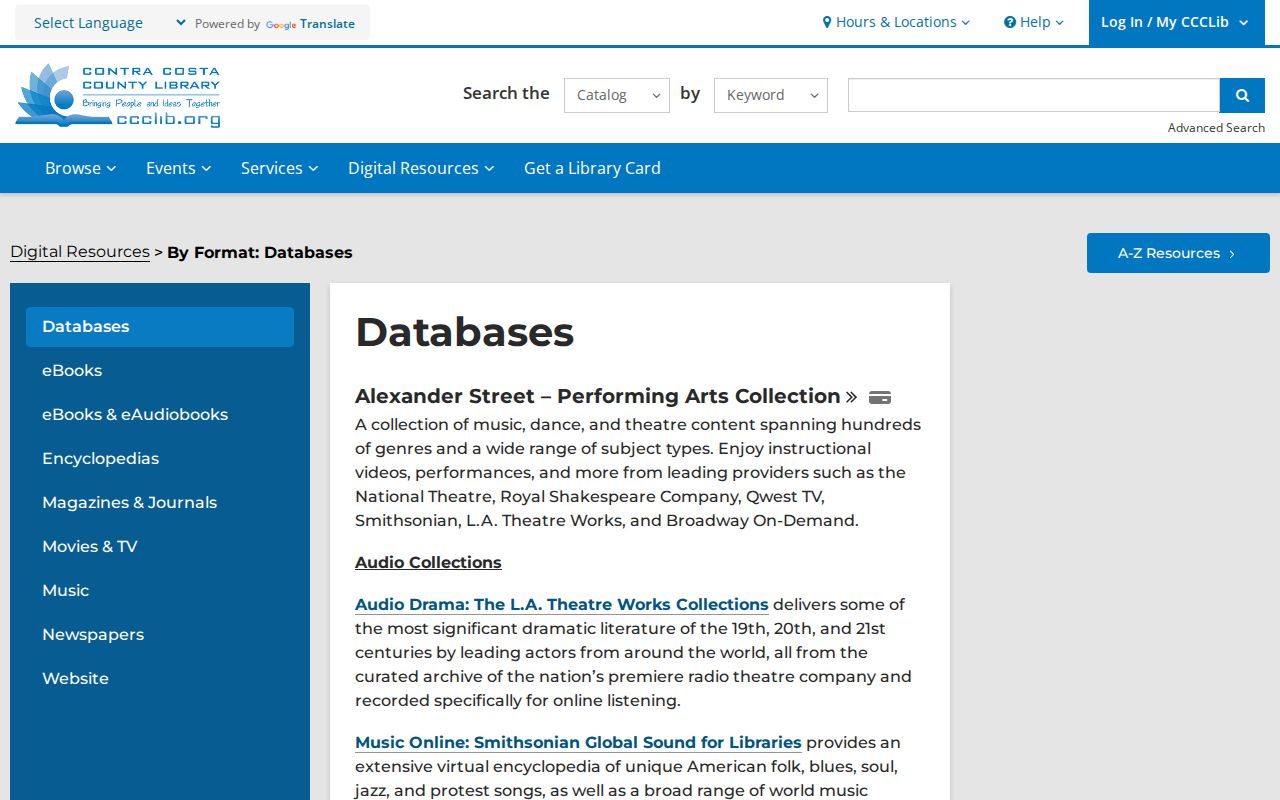
Library databases can reveal the clue that tells a researcher which physical title, archive, or county office to check next. They should be cited as discovery tools, not confused with a certified county record.
The library’s historical newspaper holdings page lists branch-by-branch material. Obituaries in the Contra Costa Times database reach back to June 1995 for cardholders, while older local papers may require paper, microfilm, or another branch collection.
Oakley Reverse Directories by Address
A reverse section is the bridge from a street to a past household. Read the house number and street, copy the listed name exactly, and then return to the alphabetical section to see whether the same person has a spouse, occupation note, or alternate address. A reverse line can be absent because the volume is not a true criss-cross book, the address lies outside its service area, or the person was not listed.
The Library of Congress telephone directory from March 1949 through September 1950 is the verified digital anchor. It explicitly includes Oakley, but its telephone-company format differs from a Polk volume. FamilySearch teaching material identifies a Richmond and Contra Costa County Directory from 1914 to 1915, yet contents must be inspected before claiming an Oakley entry.
For a changed street, pair the reverse line with a legal description, map, deed, census, or newspaper notice. The Oakley street directory handles current address-keyed records; the historical volume handles the older printed clue.
Oakley City Records and Census Pairing
Federal population censuses from 1850 through 1950 are publicly available as of 2026 under the 72-year release rule. A census can show household members, relationships, age, and occupation for a place and year, while an Oakley city directory can provide an address or intervening annual clue. The two sources do not ask the same question, so a mismatch may reflect a move, an enumeration date, a changed place name, or a directory omission.
- Choose a verified directory or telephone year and record the full name, address, place label, and source title.
- Search the nearest census year under Oakley, Live Oak, Iron House, El Rancho, Antioch, or East Contra Costa terms.
- Compare household relationships, ages, occupations, neighbors, and parcel or road clues rather than relying on surname alone.
- Use the next directory, an obituary, a deed, probate, cemetery record, or newspaper notice to explain a gap.
A directory disappearance can mean a move, death, omission, a changed locality, or a missing edition. The surrounding sources decide which explanation is sound.
Oakley Newspapers Bridge Directory Gaps
Newspapers often carry the names a thin city directory shelf does not. Oakley and local Contra Costa papers can connect births, marriages, deaths, school lists, clubs, legal notices, packing-shed history, and addresses. The County Library’s historical-newspaper holdings page identifies branch material, while the Times obituary search supplies a stated June 1995 to present database span for cardholders.
Search the surname with every historic place label and with a road, school, church, farm, railroad, or family name. An obituary can identify survivors and a former address, but it still needs a death record or probate trail for confirmation. A legal notice can show an action tied to land without proving that the named person lived there.
Newspaper language also carries local history. Railroad stops began around 1900, a first library was established in 1913, and agricultural packing shaped early community records. Those clues suggest where a family may appear when no city directory line survives.
Oakley Directory Fire History
Oakley’s strategic-plan history records a 1924 fire that burned most downtown businesses. It is a useful story for explaining why private business papers, shop records, or local newspaper runs may be hard to locate. It is not evidence that the Contra Costa courthouse record series was destroyed. The Martinez deed and court custodians must be asked directly about their own holdings.
The East Contra Costa Historical Society provides another bridge. Its resource geography includes family files, photographs, maps, early-1900s newspapers, school and church material, agriculture, police, hospitals, and original court records. The society’s captured collection view helps place Oakley’s city directory work inside a larger East County archive.
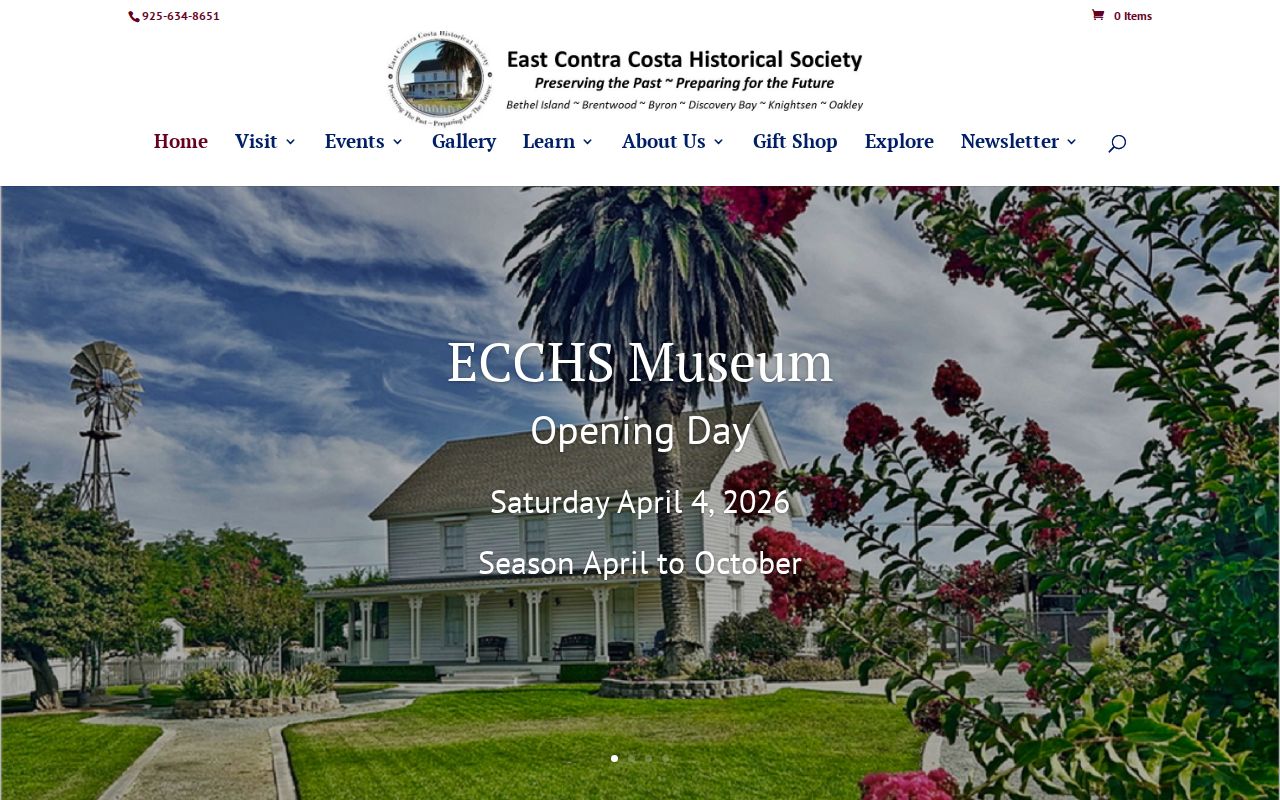
The center lists appointment-based access and a research service, so confirm hours and fees before promising a copy or a title. Its holdings can explain a gap without inventing a missing directory year.
California Revealed adds a statewide digitized-collection search that can surface local-history material by place.
A digitized item still needs its collection title, creator, date, and place context before it becomes evidence about an Oakley household.
Trace Families Through Oakley City Directories
Family history work benefits from a slow year-by-year pass. Start with a verified name and place, then let the address, household mark, newspaper, deed, and census decide whether two entries belong to the same family. A regional Oakley city directory can show continuity even when the printed title uses Antioch, East Contra Costa, or an old hamlet label.
- Photograph the title page, coverage statement, abbreviation key, alphabetical line, and reverse line before taking notes.
- Record the name, address, household mark, occupation term, place label, and page number for each edition.
- Move to the next verified year and flag changes in spelling, street, spouse mark, or household status.
- Pair the directory years with the closest census schedules, then use newspapers, probate, deeds, and cemetery records to close gaps.
- Save the source title and repository with each conclusion, and mark any unverified Polk, Sanborn, or Oakley-run claim as a research gap.
A city directory is a lead with a date. It becomes stronger when a second custodian confirms the event or relationship. The same discipline protects against confusing a person with a same-name neighbor or a different regional place.
Note: The safest Oakley directory claim is the one that names its title, page, coverage statement, repository, and limits.